The permitted development rules for wraparound extensions
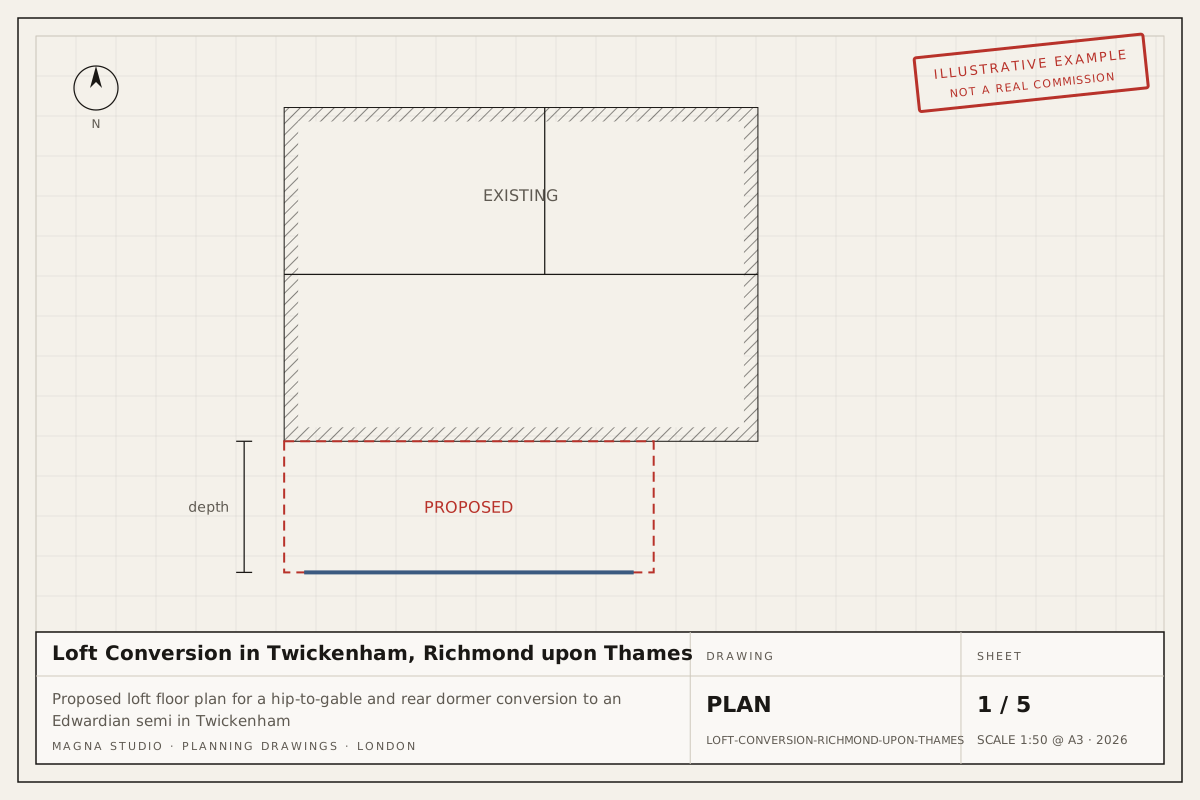
A wraparound combines a side-return infill with a rear extension. Permitted development assesses each part separately, so the side element must stay within half the width of the original house and the rear element within 3 m or 4 m, and the two together must not exceed 50 per cent of the land around the original house.
Because the combined footprint is treated as an extension wrapping the corner, most wraparounds on London terraces fall outside permitted development and need a householder planning application. A Lawful Development Certificate is worth pursuing only where each element clearly meets its own limits.
What changes in Wandsworth
The side element is not permitted development in a conservation area, so a wraparound there always needs planning permission, designed to the area's appraisal.
The local constraints that most often decide the route in Wandsworth are listed below, taken from our Wandsworth area page. Each one is a reason to confirm the address on Wandsworth's constraints map before relying on permitted development.
- Conservation areas. Wandsworth has numerous conservation areas, including large ones covering the streets between Wandsworth and Clapham Commons, Putney, Tooting Bec, Wandsworth Common and Nightingale Lane. Roof extensions and cladding in these areas need planning permission. Check the council's constraints map for your address before relying on permitted development. Source
- Article 4 directions. A number of Wandsworth conservation areas carry Article 4 directions removing permitted development for front alterations, windows, porches and boundary treatments. Coverage differs by area, so we check the schedule for your street before recommending a permitted development route.
- Thames and Wandle flood zones. Battersea, Nine Elms, Wandsworth Town and Putney riverside fall within Thames Flood Zones 2 and 3, and the Wandle corridor through Earlsfield and Summerstown adds further flood risk. Basements and new ground-floor habitable rooms there may need a flood risk assessment. Source
- Metropolitan Open Land. Wandsworth Common, Clapham Common, Tooting Common, Putney Heath and Wimbledon Park are Metropolitan Open Land. Houses fronting or backing onto them are judged on the effect of extensions and outbuildings on the openness and setting of the common.
What Wandsworth planning officers look for
Wandsworth handles a very high volume of householder applications and its officers apply the Housing SPD closely. Rear extensions deeper than neighbouring precedent, side-return infills with parapets above the neighbour's fence line and roof extensions in conservation areas are the common refusal reasons. Mansard lofts are widely accepted on terraces where they match a pattern already established on the street, but front dormers are resisted. Basements are decided on structural and neighbour-impact information as much as design. Pre-application advice is available for a fee.
Fees and timelines
The council fee for a householder application is £528 and for a Lawful Development Certificate £264 (England, from 1 April 2025; verify before applying). Both are decided within 8 weeks of validation.
Our own fee for the drawings and the application is fixed once quoted and depends on the project type, its size and the constraints above. Answer six questions in the quote tool and we email you an indicative figure within minutes, then a written fixed-fee quote within 24 hours.